


You already know your digital data is worth something. You've known for years.
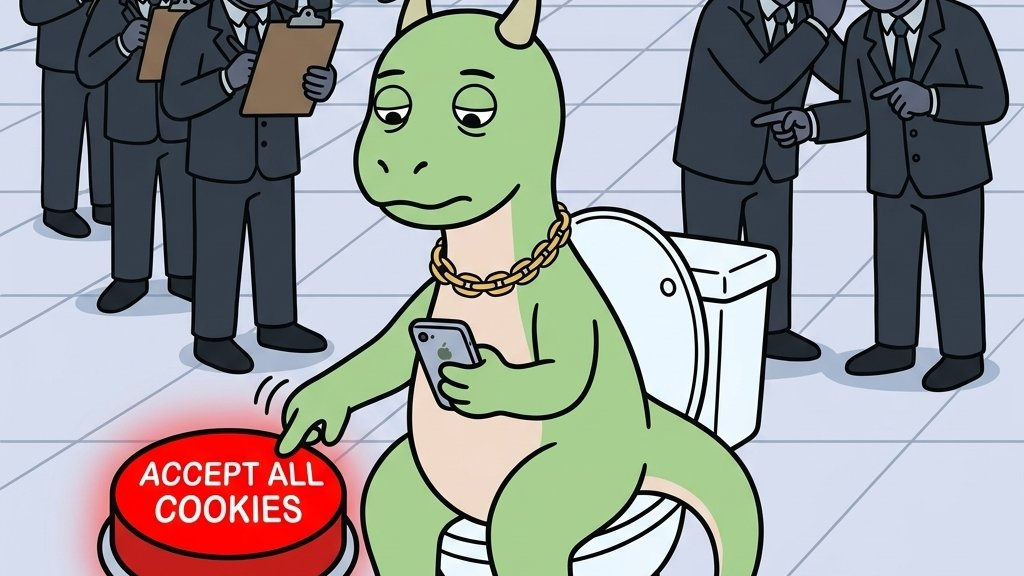
Every time you accept cookies, every time you scroll past a privacy policy, there's actually an invisible trade happening in the back of your mind:
"I'm giving something away, and I'm getting convenience in return. Fair enough. Move on."
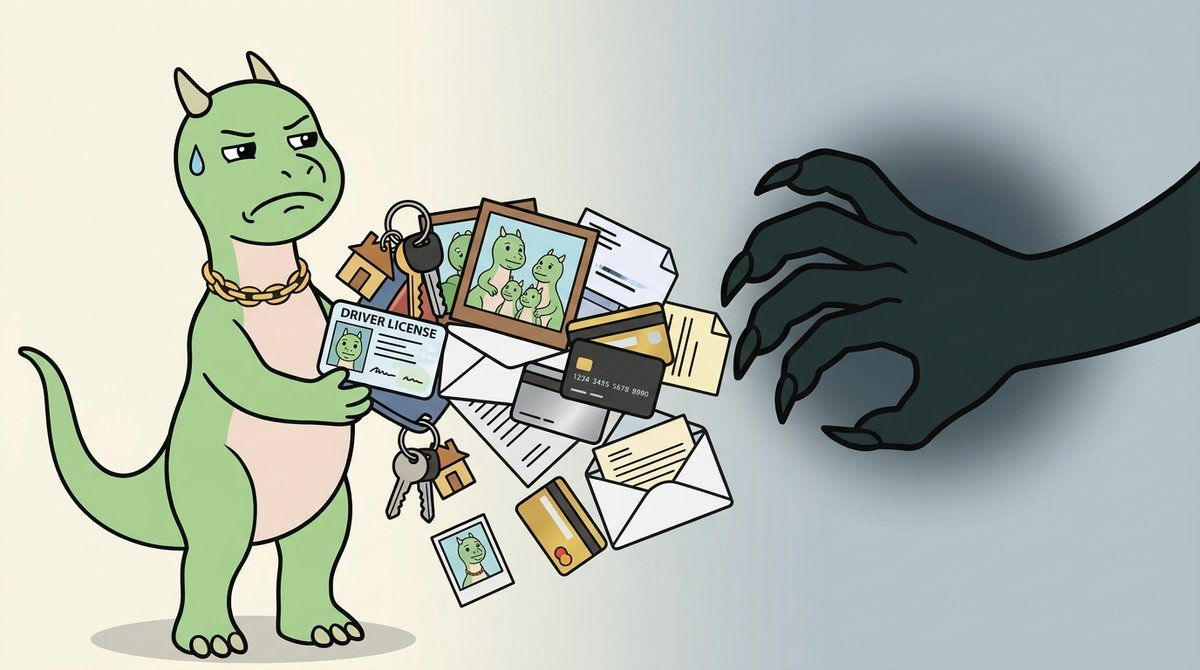
But have you ever stopped to think and add it all up?
Every platform you've ever used holds a piece, a footprint, a "fossil" of you. Your broker knows how you trade. Your streaming service knows your taste. Your social accounts know who follows you, and how many. Your favorite apps know how you spend your time, your money, your attention, down to the minute.
And everyone knows fossils are valuable. Each platform you browse holds a fragment. None of them talk to each other. And none of them belong to you.

Verify all five dimensions. Summon your worth.
So... congratulations: you've spent years building the most detailed profile of yourself that has ever existed, and you don't have access to it.
Of course, you might say some government agencies and a few defense tech contractors probably do have the full picture, and even more. But that's another story and that's not exactly the version of "someone knows who I really am" you're dreaming about.
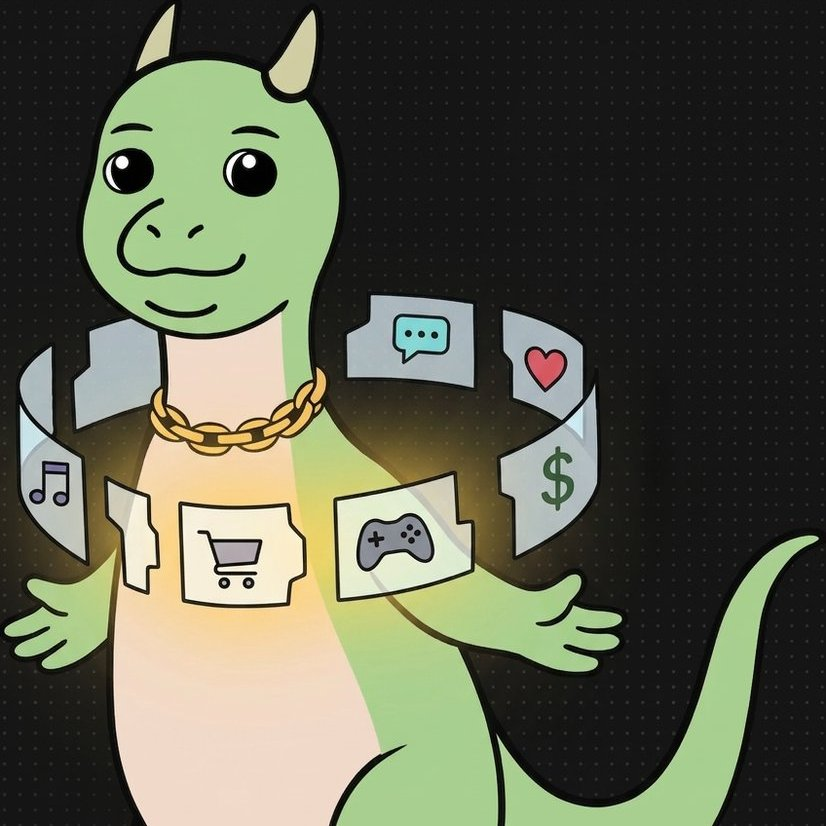
I've started calling this latent user value "Identity Capital". Currently it's captured and monetized by big platforms.
Every trade, every subscription, every community you joined, every hour you spent online. Years of behavior, preference, reputation, and proof. You've been building yours your entire digital life. You just never had a way to prove it, own it, or spend it.

Your online data is valuable but you can't prove it.
The platforms figured out what it's worth a long time ago. They know they're sitting on gold. They sell access to it and they are now worth trillions, because advertisers know the value of it.
But this system is reaching its limits today. Your feeds are filling up with AI slop, rage-bait posts from accounts with fake identities, engagement farmed by bots pretending to be humans. You can feel it. The internet is getting harder to trust, and you're not imagining it. Advertisers feel it too: $63 billion was spent last year on traffic that turned out to be fake (Juniper Research, 2025). Real money chasing ghosts.
And big tech platforms are feeling it. To address that they are currently spending billions lobbying Western governments to push online identity verification everywhere. They want to be the ones who verify you. They want identity to run through THEM, so they can keep selling gated access to you while you keep getting nothing back.
But nobody is asking the interesting question: what if your verified identity was worth money to YOU, and not just to these plartforms?
I run a project called T-Rex. We have 478,000 registered users. Sounds impressive for an early-stage project... until you look closer.
When I pulled the data last January, most of those accounts were ghosts. Wallets connected, quests completed, points farmed. Activity that looked real, attached to people I couldn't tell you a single meaningful thing about.
We were part of the same broken system. That's an uncomfortable thing to admit when it's your own project.
So we started building differently. There's this cryptographic protocol called MPC-TLS that lets you prove facts about your real activity on any website, without exposing the raw data. You can verify your trading history without showing your balance. Confirm your subscriptions without sharing your login. The math has existed in research papers for years. T-Rex is now building its entire verification layer on top of it.
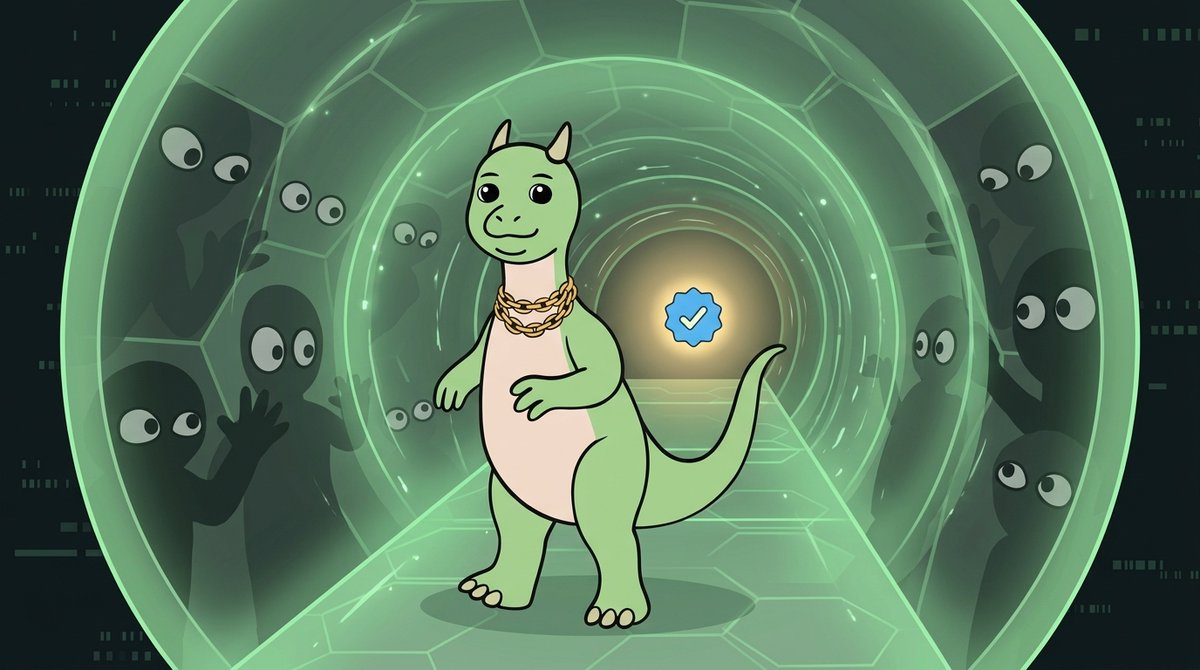
Here's one use case of what that concretely looks like.
You install the T-Rex extension. A cute and quirky dinosaur appears in your browser. It sits there quietly while you do whatever you normally do online. Honestly, you even forget it's there. Over time, it builds a verified and quite accurate picture of who you actually are online across five dimensions: what you have, what you do, who you influence, how verified you are, and how skilled you are.
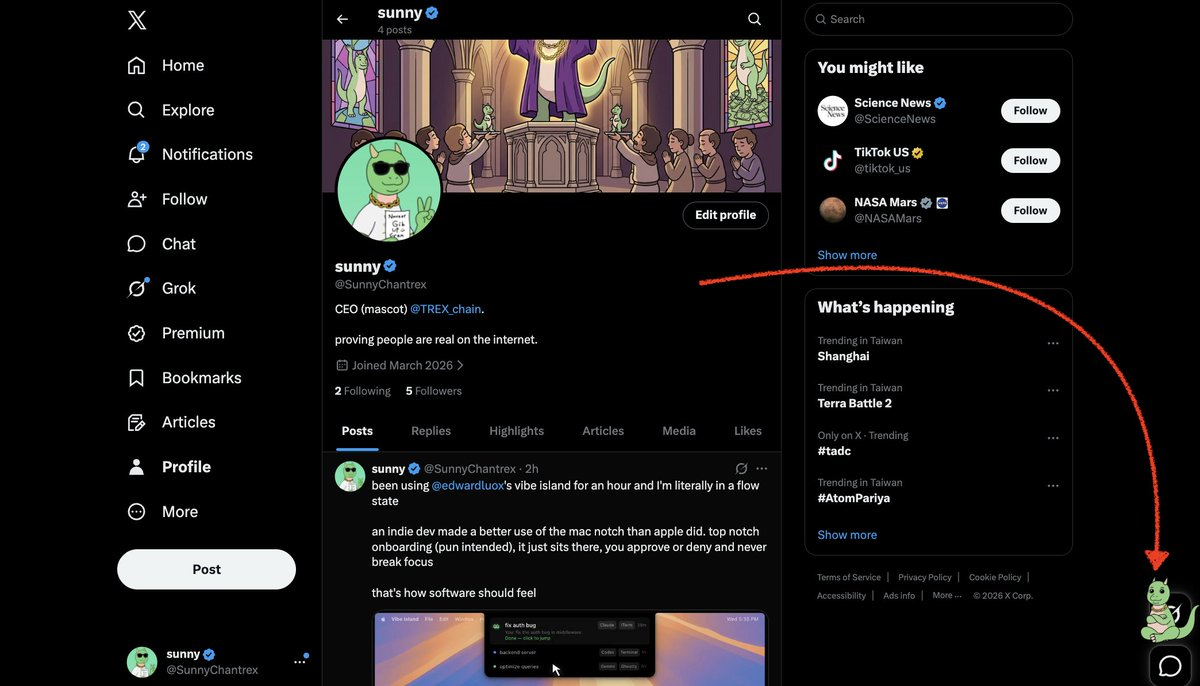
One day you're browsing an X thread about a new protocol, and the dinosaur lights up. Your verified activity over the past few weeks matched what a project was looking for. You got an offer, a discount, or early access to something nobody else on that page could see, because nobody else had your verified identity and online behavior. You neither filled out a form, nor applied, nor checked-in for seven consecutive days like in any regular quest platform. The opportunity just found you, and shows up like magic.
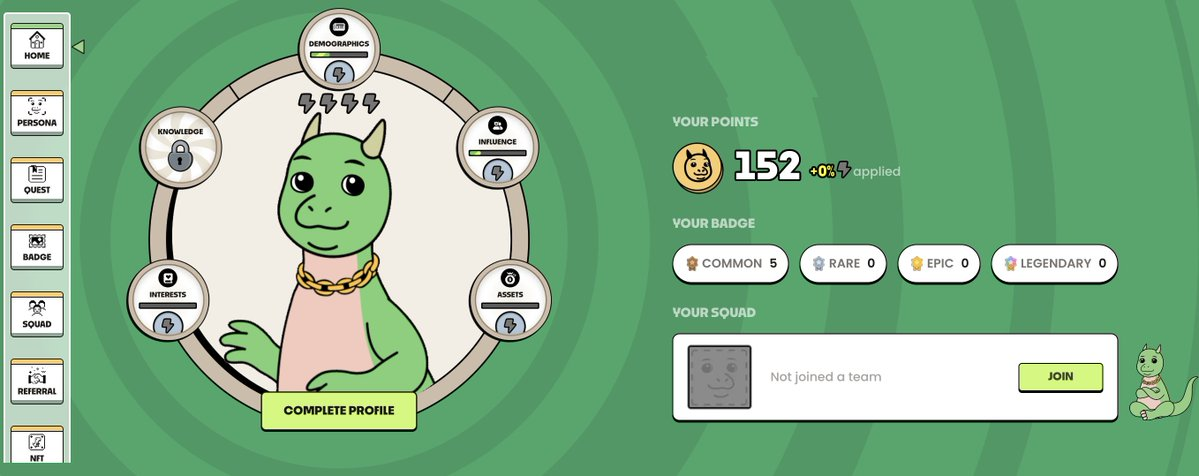
If that sounds familiar, it should. Pokemon Go figured this out exactly a decade ago: the best products layer onto the life you're already living. You walk your normal route and something appears that's only visible to you. We're doing the same thing for the internet. Your dinosaur shows you what's already in front of you, invisible to anyone whose identity isn't verified.
This dinosaur grows as you do. Every dimension you verify deepens it and makes it financially more valuable. Every proof makes your Identity Capital worth more. Projects and brands are willing to pay real premiums for verified, real people, because right now most of what they're buying is pure noise. That value goes to you.
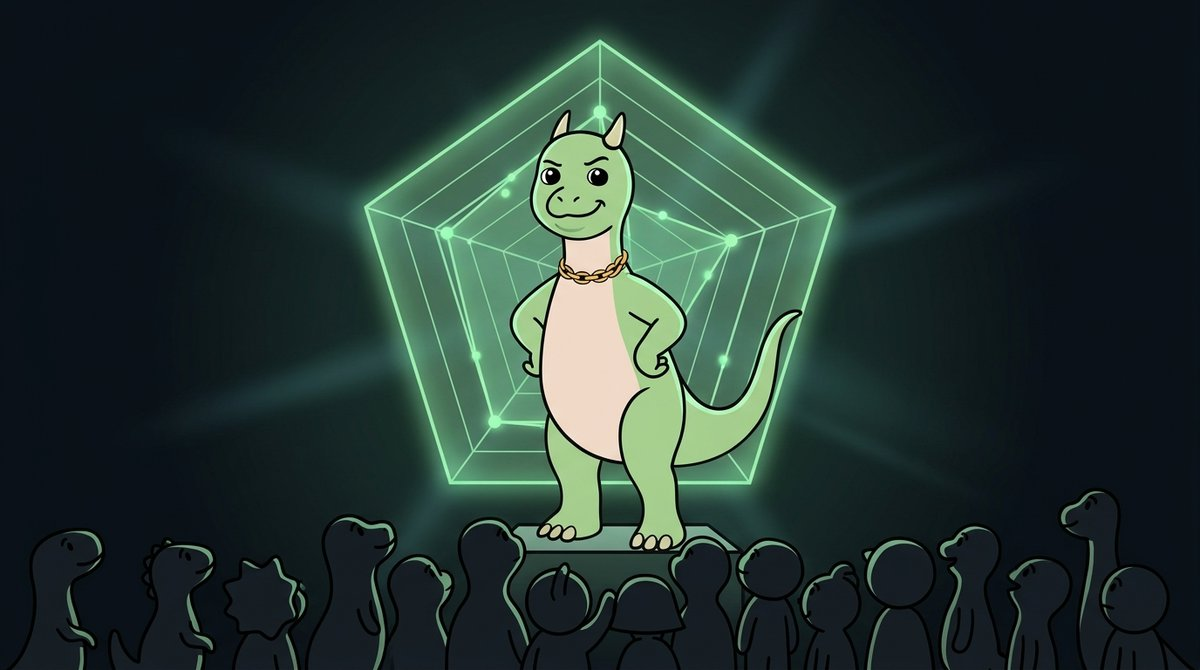
I think the internet is at the beginning of something big enough to deserve a name. I'm calling it the Persona Economy. The moment where verified identity becomes the most valuable thing you carry online. Where AI systems, brands, communities, and protocols all need to know who they're actually talking to, and the people who can prove it win.
T-Rex is building the mostly invisible infrastructure for this. We verify who you are. We make that portable. And a quiet dinosaur in your browser makes sure the right things find you at the right time.
We're early. I'll be honest with you: the product is rough in places I can see clearly, and the data is thin in some dimensions. We haven't figured it all out. But the trend underneath this is very real, and moving faster than we expected, and the teams building on verified identity right now are going to look very smart in two years.
Come find us at trex.xyz. We're just getting started.
Sunny
Sunny Chan is the CEO and co-founder of T-Rex.